

The cultural significance of casinos in modern society
March 4, 2026 Public
The cultural significance of casinos in modern society
Historical Context of Casinos
Casinos have evolved significantly over the centuries, tracing back to ancient civilizations where games of chance and skill were commonplace. The earliest documented forms of gambling can be found in Chinese and Roman societies, where games such as dice and betting on chariot races were popular. Over time, gambling transitioned from informal gatherings to organized establishments, setting the foundation for the modern casino. Players looking to enhance their experience can explore live counter strike 2 betting, which reflects the contemporary evolution of gaming culture.
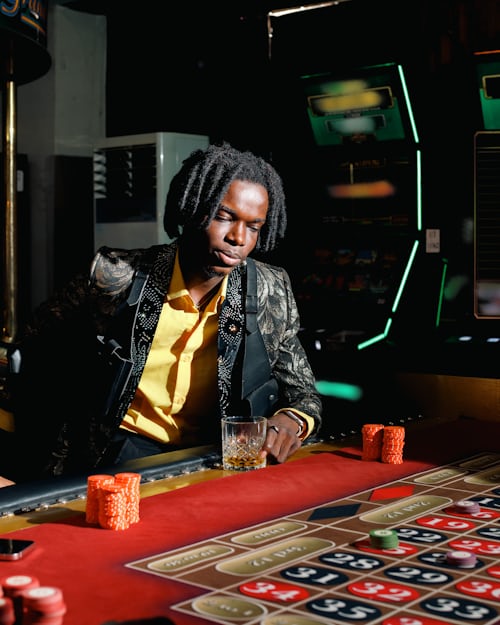
The establishment of licensed gambling houses in Europe during the 17th century marked a turning point in the history of casinos. With the rise of the Venetian Casino in Italy and other European counterparts, gambling began to gain a more formal and societal recognition, eventually leading to the global proliferation of casinos as we know them today.
Economic Impact of Casinos
Modern casinos play a pivotal role in the economies of many regions, providing substantial employment opportunities and driving tourism. They contribute millions in tax revenues, which often fund public services and infrastructure projects. The influx of tourists seeking entertainment and gambling experiences helps to stimulate local economies, fostering growth in related sectors like hospitality and retail.
In addition to direct economic benefits, casinos often catalyze broader community development. Surrounding businesses, from hotels to restaurants, frequently experience increased patronage due to the foot traffic generated by casinos. This symbiotic relationship enhances the overall economic landscape, making casinos a key player in urban development strategies.
Social Dynamics and Casinos
Casinos are more than just places for gambling; they are social hubs that facilitate interaction among diverse groups. They attract individuals from various backgrounds, creating a unique atmosphere where people can socialize, celebrate, and engage in entertainment. This social aspect contributes significantly to the modern cultural fabric, reinforcing the idea that casinos are spaces for shared experiences.
Moreover, casinos often host events, concerts, and tournaments, further embedding themselves into the local culture. They become venues for entertainment beyond gambling, appealing to a wider audience and reinforcing their status as centers of social interaction and community engagement.
Challenges and Responsibilities of Casinos
Despite their cultural significance, casinos also face challenges, particularly regarding responsible gambling and addiction. The allure of gambling can lead to financial hardship for some individuals, prompting the industry to adopt measures that promote safe gaming practices. Many casinos now implement programs aimed at educating patrons about responsible gambling and providing resources for those who may struggle with addiction.
Additionally, regulatory frameworks have been established in many jurisdictions to mitigate the potential negative impacts of gambling. These measures ensure that casinos operate ethically and responsibly, balancing their economic contributions with their social obligations to the communities they serve.
Conclusion and Insights on the Future
As society continues to evolve, so too will the role of casinos in our cultural landscape. With the emergence of online gaming and changing social attitudes towards gambling, the casino industry must adapt to meet the needs of a new generation of players. Innovation in technology and gaming experiences will likely shape the future of casinos, ensuring their relevance in modern society.
Whether as places of entertainment, economic drivers, or social venues, casinos hold a unique and significant position in contemporary culture. They encapsulate a blend of history, economy, and community, making them a fascinating subject of study for anyone interested in the intersection of culture and commerce.